Transform Your Backyard with Cottonwood Heights best Deck Builder
Transform Your Backyard with Cottonwood Heights best Deck Builder
Blog Article
Custom Deck Designer for Your Perfect Outdoor Area
A bespoke platform can reshape an ordinary backyard into a private oasis. It acts not only as an decorative upgrade but also adds value to the residence. Professional craftsmen understand the nuances of planning, material selection, and functionality. They can construct environments that suit individual lifestyles. However, picking the ideal contractor and components can be overwhelming. As residents consider their possibilities, what essential elements should they emphasize in their custom deck design?
Explore the Advantages of a Custom Deck
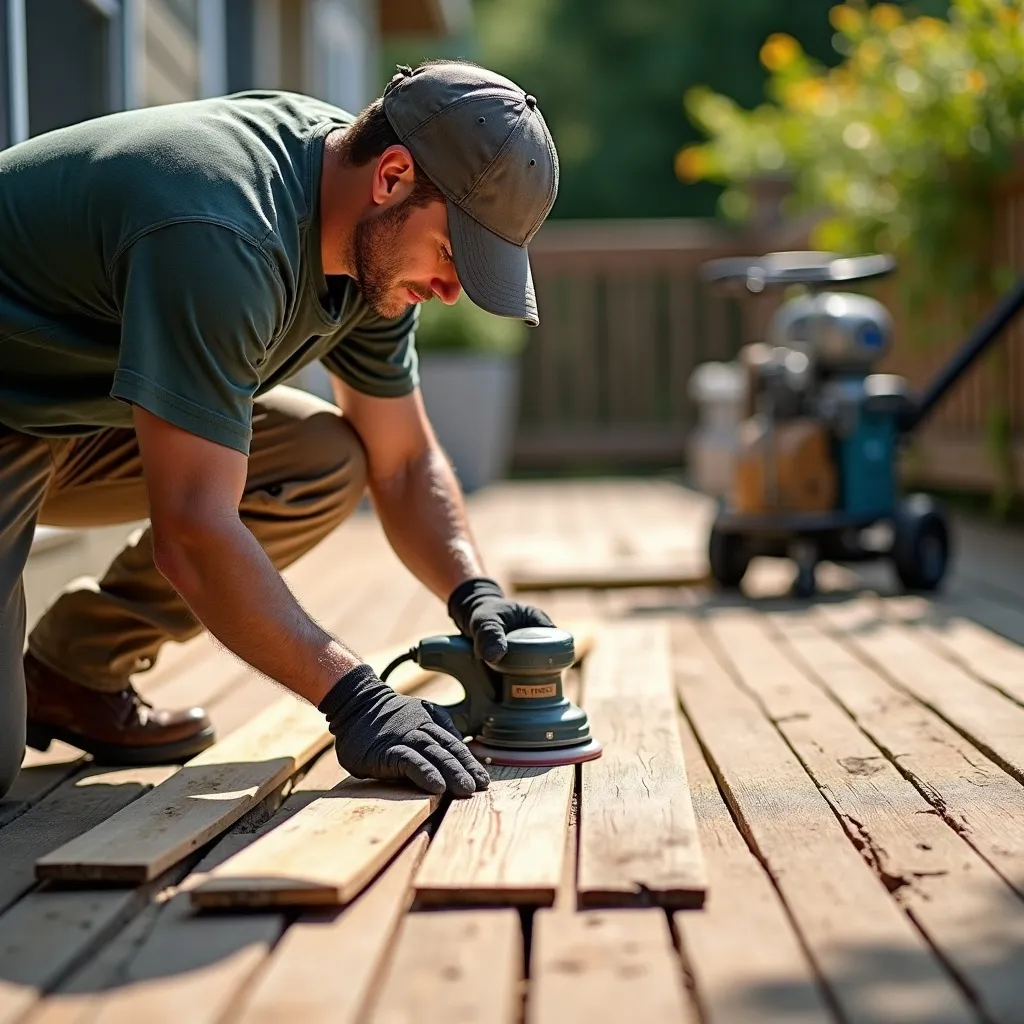
The appeal of a custom deck lies in its potential to transform outdoor spaces into customized retreats. Homeowners often look for a unique outdoor area that reflects their style and meets specific needs. A custom deck can accommodate various functions, whether it is for entertaining guests, enjoying quiet moments, or facilitating family gatherings. This customized approach allows for consideration of size, shape, and materials that complement the existing landscape and architecture.
Additionally, a custom similar resource deck enhances property value, making it an attractive investment for property owners. The design flexibility can support features like built-in seating, planters, or even outdoor kitchens, further enhancing the outdoor experience. Furthermore, the opportunity to customize allows individuals to design a space that aligns with their lifestyle, ensuring that the deck is not just an addition to the home but an essential component of daily life, fostering connection with nature and loved ones.
Key Features for Your Tailored Deck Configuration
When developing a bespoke decking installation, picking the suitable materials is important for strength and appearance. Additionally, assessing design functionality ensures that the space satisfies the resident's needs and enhances usability. Together, these aspects markedly impact the final outcome of the bespoke decking installation initiative.
Material choices are important for success
Selecting the right supplies is vital for a custom deck design, as it directly shapes both aesthetics and durability. The choice between wood, composite, and PVC can greatly affect the overall look and longevity of the deck. Natural wood offers comfort and aesthetic appeal but requires regular maintenance to prevent rot and weathering. In contrast, composite materials provide a more long-lasting option, resisting fading and staining while requiring less maintenance. Additionally, sustainable choices are becoming increasingly popular, appealing to homeowners interested in sustainability. The material selected also impacts costs, with each type presenting different price points. Ultimately, thoughtful material selection contributes to a deck that not only complements the outdoor space but also stands the test of time.
Layout Functionality Considerations
Designing a bespoke deck involves careful consideration of purpose to maximize its usability and pleasure. Key features should include distinct spaces for dining, relaxing, and hosting, guaranteeing that each section fulfills its purpose effectively. Adding integrated seats can boost spatial effectiveness, while guardrails and illumination enhance safety and environment. Consideration of ease of access is essential, particularly for homes or visitors with mobility impairments; ramps or wide pathways can ease smooth passage. Moreover, incorporating storage solutions for garden accessories and extras helps sustain a tidy environment. Ultimately, a expertly crafted deck should smoothly integrate visual appeal with practical elements, creating an welcoming outdoor space that meets the owner’s personal habits and tastes.
Selecting the Ideal Deck Builder for Your Requirements
How does one select the perfect deck builder for their project? Selecting the right deck builder requires careful consideration of several factors. First, prospective homeowners should evaluate the builder's experience and skill in building personalized deck structures. A builder with a strong body of work showcases their capability and approach. Additionally, reviewing client testimonials and testimonials provides information into the builder's dependability and workmanship.
Yet another crucial point is validating licenses and protection. A reputable deck builder should maintain the required permits and insurance to protect both the client and the builder during the project. In addition, obtaining multiple quotes helps clients to compare pricing and services, ensuring they receive the best value for their investment.
Ultimately, effective communication is key. A builder who hears the client's expectations and suggests recommendations creates a collaborative atmosphere, ultimately bringing about a excellent deck-building adventure.
Critical Points to Discuss with Your Deck Builder?
After locating the right deck builder, clients must prepare a set of key questions to guarantee all aspects of their project are thoroughly examined. Essential inquiries include the builder's experience and past projects, which help appraise their skill level. Clients must also ask about the materials applied, ensuring they align with their preferences for endurance and aesthetics.
Inquiring about the project timeline is vital; understanding how long the deck construction will take assists clients schedule appropriately. Clients should also examine warranties and post-construction services, including maintenance options. It's key to clarify the process for getting necessary permits and whether the builder will undertake this task.
Furthermore, clients should examine the builder's communication style and responsiveness during the project. A open conversation creates a teamwork environment. These key questions will offer understanding, guaranteeing a productive relationship and a properly built deck that enhances the backyard area.
Preparing Your Financial Plan for a Custom Deck
When evaluating a bespoke deck, grasping the budget is essential for homeowners. Forming a definite budget framework facilitates prudent choices regarding structural materials, proportions, and design features. Homeowners should commence by calculating their overall budget, accounting for considerations such as possible credit arrangements and accumulated funds.
Following this, they should evaluate the cost elements of varied materials, such as wood, composite, or PVC. Each choice varies in price and longevity, determining both initial investment and long-term maintenance costs.
Moreover, labor outlays should be factored into the budget, including soliciting a professional builder versus DIY efforts. Homeowners must also contemplate potential permits and inspections that may transpire during construction.
Preserving Your Custom-Built Deck: A Guide
Maintaining a customized deck demands regular attention to extend its longevity and look. Homeowners should start by washing the deck regularly to eliminate dirt, debris, and mold. A mild scrub with soap and water, or a specialized deck cleaner, often works well. It's also crucial to inspect the deck for any signs of wear, such as loose boards or rusted nails, which should be handled promptly to prevent additional damage.
Every few years, sealing the deck is essential to guard against moisture and UV damage. Different materials may need specific sealants, so consulting with a professional can be beneficial. Additionally, regular sweeping and clearing away snow or debris throughout winter will help maintain its soundness. At last, placing protective furniture pads under large objects can prevent surface damage, keeping the deck looking pristine. Consistent maintenance ensures the deck stays a beautiful and functional outdoor space for years to come.
Regularly Asked Questions
How much time Does It Typically Take to Build a Personalized Deck?
Commonly, building a custom deck necessitates roughly one to three weeks, dependent on the design complexity, materials selected, and weather patterns. Comprehensive planning and groundwork can streamline the operation, guaranteeing timely completion.
Which Resources Are Optimal for Different Climates?
Wood choices like cedar thrive in moderate climates, while composite materials resist dampness in humid areas. In regions with extreme temperatures, aluminum delivers durability, and treated lumber offers protection against pests and weathering.
Is it Possible to Attach Features Later On, Such as Lighting or Seating?
Yes, supplementary options such as seating or lighting can be included later. A carefully designed plan permits for upcoming alterations, ensuring adaptability to evolving needs and elevating the complete performance and visual quality of the space.
Do Permits Have to be Obtained for Made-to-Order Deck Building?
Yes, authorizations are usually required for custom deck construction. Standards vary by location, so it's essential for house owners to check with community officials to validate compliance with zoning requirements and building codes before beginning the project.
How Do I Select the Right Deck Shade and Treatment?
Selecting the right deck color and finish requires considering the home's exterior, surrounding landscape, and individual preference. Samples should be tested in multiple lighting scenarios, guaranteeing the final choice matches the overall visual appeal while providing durability.
Report this page